


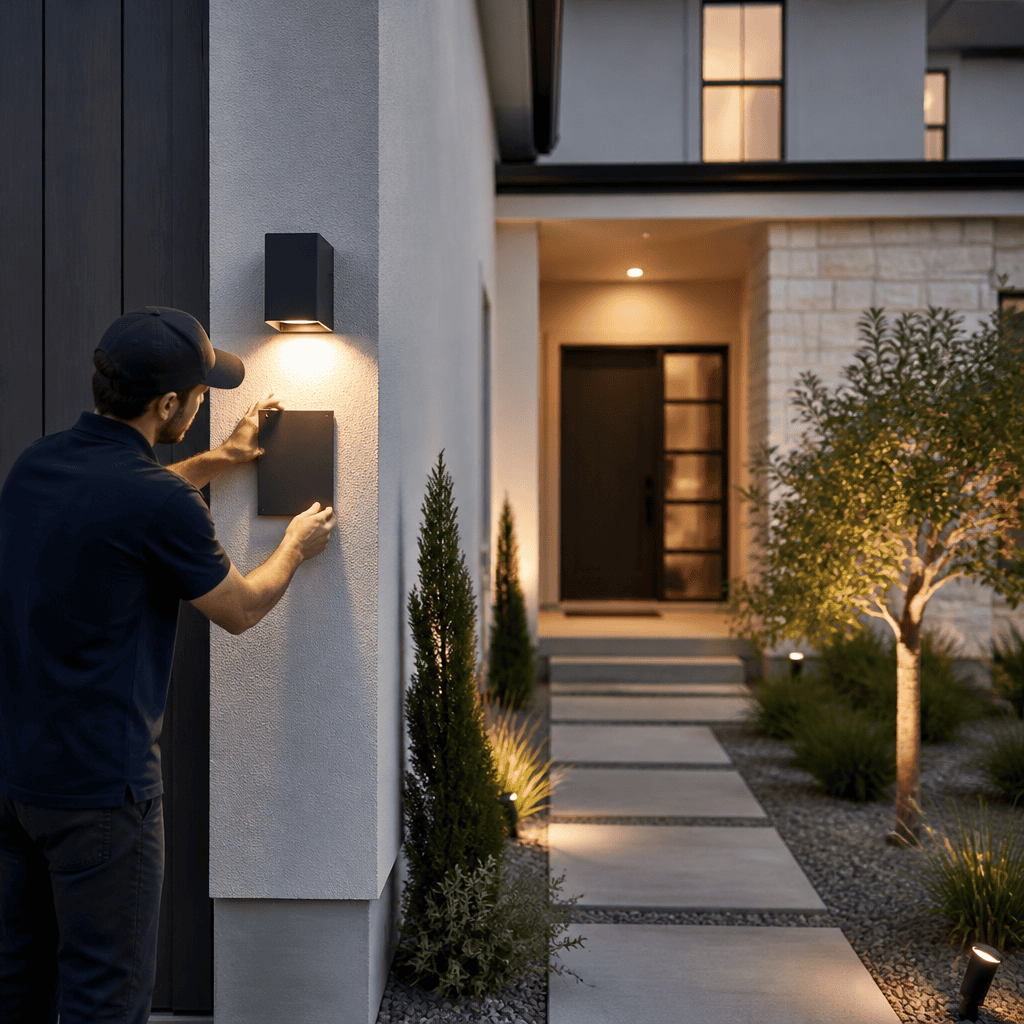
Emergency responders, delivery drivers, and visitors all depend on clearly visible address numbers to find your home quickly. Yet many properties display house numbers that are too small, poorly positioned, or obscured by landscaping. The right combination of number size, placement height, contrast, and mounting location can make the difference between a home that’s easy to identify and one that causes confusion and delays.
Understanding Visibility Requirements from the Street
Visibility depends on viewing distance and angle. For most residential streets where vehicles travel at 25 to 35 miles per hour, house numbers should be readable from at least 50 to 75 feet away. This typically requires numerals that are at least 4 inches tall, though 5 to 6 inches provides better recognition, especially in low-light conditions or for drivers approaching at an angle.
Contrast matters as much as size. Dark numbers on a light background or light numbers on a dark surface create the sharpest visibility. Avoid placing numbers on busy siding patterns, multi-toned stone, or surfaces that change color when wet. Test visibility by standing at the curb at dusk—if you struggle to read your address, so will everyone else.
Strategic Placement Locations for Different Home Styles
Traditional homes with prominent front porches work well with numbers mounted beside the entry door or on porch columns at eye level, typically 5 to 6 feet from the ground. This placement works when the house sits close to the street, usually within 50 feet, and the porch faces the road directly.
For homes set back from the street or where the front door isn’t visible from the road, mounting numbers on the garage face or near the driveway entrance provides better sightlines. Position them above garage doors or on the wall section between doors where they won’t be blocked by open garage doors or parked vehicles.
Properties with gated entries or long driveways benefit from dual placement: smaller numbers at the main house entrance for guests who’ve already arrived, and larger numbers at the street-facing gate, mailbox post, or a dedicated address post. The street-level numbers should be mounted 4 to 5 feet high so they’re visible over car hoods and landscaping but not so high that they disappear into tree canopy.
Selecting Materials and Styles That Balance Form and Function
House numbers need to withstand rain, sun exposure, and temperature fluctuations without fading or corroding. Metal numbers in aluminum, brass, or stainless steel offer durability and maintain their appearance for years without repainting. Solid metal construction prevents the hollow, lightweight appearance of cheaper alternatives while providing the weight needed for secure mounting.
Modern homeowners often appreciate clean, minimalist designs that complement contemporary architecture without overwhelming the facade. decorative house number sets made from recycled aluminum with concealed mounting hardware create a floating appearance where numbers appear to hover against the mounting surface. This approach works particularly well on smooth stucco, wood siding, or brick where the shadow gap between number and wall adds visual depth while maintaining the clean lines that suit modern design sensibilities.
Font selection affects both readability and style. Sans-serif fonts with uniform stroke width read clearly from a distance, while fonts with thick and thin strokes or decorative serifs can blur together when viewed from the street. Avoid script fonts entirely for address numbers—they sacrifice legibility for aesthetics in a context where function should lead.
Installation Techniques for Long-Term Durability
Proper mounting prevents numbers from shifting, rusting at attachment points, or leaving visible hardware that detracts from the design. For brick or masonry surfaces, use masonry anchors rather than wood screws. Drill pilot holes to the correct depth, insert anchors flush with the surface, and ensure mounting screws bite fully into the anchor threads.
Wood siding requires screws long enough to penetrate through the siding and into solid framing—at least 1.5 inches for typical lap siding. Locate studs or blocking behind the siding when possible for the most secure attachment. For hollow areas, use toggle bolts or expanding anchors rated for the weight of metal numbers plus wind load.
Spacing between individual numerals affects readability. Too tight, and numbers blend into a single shape from a distance. Too loose, and they read as separate elements rather than a unified address. A general rule: space numerals at roughly one-half the height of the numbers themselves. For 5-inch tall numbers, leave 2.5 to 3 inches between characters.
Lighting Strategies for Night Visibility
Even the largest, highest-contrast numbers disappear after dark without adequate lighting. The most effective approach positions a light source to illuminate the numbers from above or from the side, creating shadows that enhance dimension and contrast. Wall-mounted fixtures with adjustable heads allow you to direct light precisely onto the number area without wasting light or creating glare.
Solar-powered address lights work where running electrical wire isn’t practical, though they depend on sufficient daytime sun exposure to charge. Battery life and brightness vary significantly between models, so verify that output reaches at least 100 lumens for adequate number illumination.
Backlit numbers, where light shines through translucent material or around opaque numbers mounted on spacers, create dramatic visibility at night. This approach requires either low-voltage LED strips behind the numbers or integration with existing porch or entry lighting. The effect works best with simple, bold number designs rather than intricate or thin fonts.
Coordinating Numbers with Overall Exterior Design
House numbers should feel like an intentional design element rather than an afterthought. Consider how they relate to other exterior features—light fixtures, door hardware, mailbox style, and window trim. Matching metal finishes creates cohesion: if your exterior lighting uses matte black fixtures, black house numbers continue that visual thread.
The overall aesthetic you’re building matters too. Curb appeal improvements work best when each element supports a unified vision rather than competing for attention. Numbers that complement your home’s architectural style—whether traditional, craftsman, modern, or transitional—reinforce the design language rather than introducing conflicting messages.
Maintenance and Long-Term Considerations
Quality house numbers require minimal maintenance, but periodic checks ensure they remain secure and visible. Inspect mounting hardware annually, especially after severe weather. Tighten any loose screws before they allow numbers to shift or fall. Clean metal numbers with mild soap and water to remove dirt, pollen, and oxidation that can dull the finish.
Monitor the area around your numbers as landscaping matures. Shrubs and trees that were well clear of the numbers when planted can grow to obscure them within a few seasons. Trim back growth that blocks sightlines from the street, or consider relocating numbers to a more permanently visible location rather than fighting ongoing vegetation encroachment.
Different approaches to house number design and placement continue to evolve as homeowners seek ways to balance personal style with practical visibility needs. The most successful installations prioritize function first—ensuring emergency responders and visitors can locate your home quickly—then layer in aesthetic choices that enhance rather than compromise that primary goal. When these elements align, house numbers become both a safety feature and a subtle but effective design statement that strengthens your home’s exterior presentation.